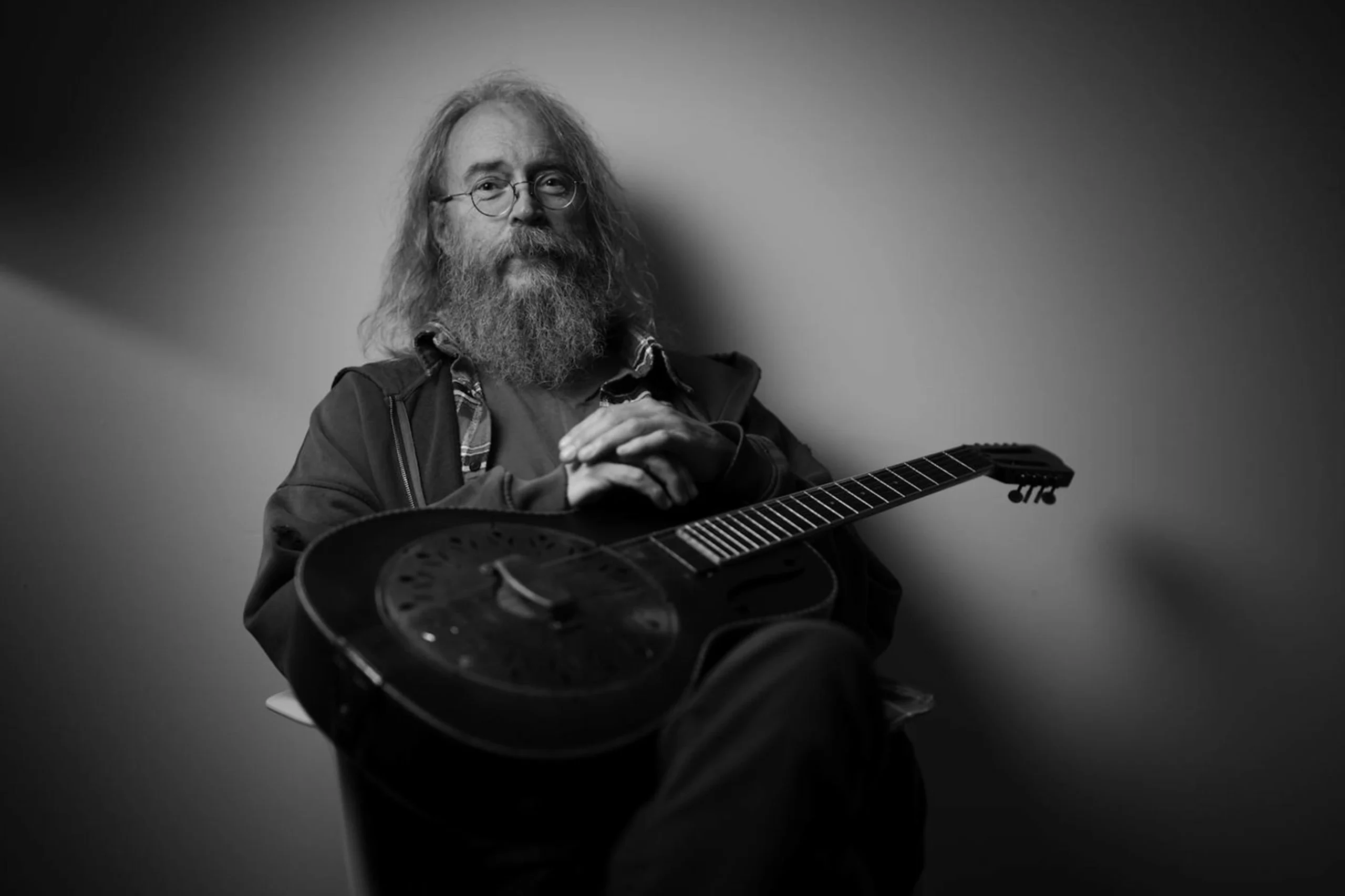


It sounds like an album written for this moment: People struggling to afford healthcare. Neighbours relying on neighbours for food and medicine. Some folks just trying to get a roof over their head. In truth, Charlie Parr’s inspiring new “folk opera” record, “Rooming House,” attests to the timelessness of his seemingly antiquated music.“My songs and stories usually start with my own experiences or experiences of people around me,” the St. Paul-based acoustic folk and blues singer/guitarist said. “Right now, a lot of people are having a lot of bad experiences.” Parr, 60, has become one of Minnesota’s most internationally recognised singer/songwriters by singing almost exclusively about hard times. Some of his most-performed songs, including “1922 Blues” and “I Ain’t Dead Yet,” are filled with enough tragedy and strife to make old Irish folk tunes sound like Charli XCX.Instead of him writing a record that reflects the times, it’s more like the times have finally, sadly caught up with Parr for “Rooming House,” issued two weeks ago on the Smithsonian Folkways label. “There’s an irony in all this that’s not lost on me,” Parr said last month about the timing of his latest of more than 20 albums.“Whenever I turn on the news now, affordable healthcare is an issue that comes up. The issue around people not having adequate shelter, we thought that was going to be solved, but it’s worse as ever.” After a laundry list of other woes, he concluded, “It’s always been in my DNA to write this way, but here it is relevant again. Too relevant.”Parr was raised on the Dust Bowl-era songs of Woody Guthrie, Lead Belly and Harry Smith’s “Anthology of American Folk Music,” records in his dad’s collection. More famously, he was schooled by the same 1960s-era folk and blues musicians of Minneapolis who inspired Bob Dylan, including Dave Ray, Tony Glover, Willie Murphy and the guy whose guitar Parr still symbolically plays at almost every show, Spider John Koerner.Parr’s most frequent onstage collaborator, washboard player and percussionist Mikkel Beckmen, believes the new album exemplifies Charlie’s adherence to his working-class folk and blues heroes. “He happens to be one of the best interpreters of that tradition,” Beckmen said.“He can use the bits and pieces of his experiences and memories lying about to create deeply moving glimpses into the lives of regular people, whose lives have often been made harder because of decisions made by powerful people far away from our neighbourhoods and homes.”But old folk tunes weren’t the only way Parr learned about economic adversity. A native of Austin, Minnesota, he experienced the grim and infamous Hormel Foods plant strike of 1985-1986 firsthand, since his dad worked there. Both his parents — who had Charlie when they were entering their 40s — also grew up during the Depression in hard-hit rural areas. “Whether they meant to or not, they passed along a real sense of what it was like living through that,” he said.When Parr moved to Minneapolis in the late-1980s, he quit school and went to work for the Salvation Harbor Light Center. He would visit unhoused people wherever they could be found, bringing them food and clothes, including socks he would take home and launder himself. “You have no idea how much clean socks can mean to some people,” he said.Parr also lived in an actual rooming house like the one at the center of his new album. He paid about $50 a month for a small room with a shared kitchen and bathroom space. The house was located in Minneapolis’ Cedar-Riverside neighbourhood, so he could walk to the Viking, 400 Bar and Five Corners Saloon, where guys like Koerner, Ray and Glover still frequently performed. “So many things about those years have stuck with me,” he said, relishing the communal vibe at the rooming house.Tribune News Service
- Homepage
- Breaking News
- World
A Bosnian man rescued an abandoned bear cub. Now they're inseparable
MOUNT OZREN, Bosnia-Herzegovina: Masa the bear lumbers across a...Dubai-it: Solemann Haddad, the Michelin-starred chef, who found his calling on the streets of Al Rigga, says Dubai is the Biryani capital of the...
HomeDubai-itDubai-it: Solemann Haddad, the Michelin-starred chef, who found his...
- Business
Latifa bint Mohammed explores closer cooperation with South Korea across education, culture and technology
HomeUAELatifa bint Mohammed explores closer cooperation with South Korea...Dubai to revise speed limits on five major roads from November 1
Dubai: Dubai’s Roads and Transport Authority (RTA) and Dubai...UAE allocates $10 million for urgent relief for flood, landslide victims in Nepal
Teams from the UAE Aid Agency are working with...Dubai Municipality launches AI-powered system to issue building permits
New fully automated platform reviews designs, verifies compliance and...
- Lifestyle
Ahmed bin Saeed inaugurates 8th AccessAbilities Expo with nearly 250 exhibitors from 50 countries
Dubai: His Highness Sheikh Ahmed bin Saeed Al Maktoum,...Uber opens dedicated passenger lounge at Dubai International Airport Terminal 3
New climate-controlled facility offers Uber and Careem users a...
- Travel
UAE schools ban ‘qaza’ haircuts, hoodies, energy drinks and chips for 2026-27 academic year
School administrations have issued circulars warning that prohibited food...Dubai adopts workforce productivity system across government entities
New data-driven platform will help 32 government entities improve...Gold hits three-month high – Emirates 24|7
The precious metal recorded a 5% weekly gain, having...Mohamed Bin Zayed, Putin hold talks on UAE-Russia cooperation and regional developments
UAE and Russian Presidents discuss bilateral cooperation and regional...
- Sports
Latifa bint Mohammed explores closer cooperation with South Korea across education, culture and technology
HomeUAELatifa bint Mohammed explores closer cooperation with South Korea...Ahmed bin Saeed inaugurates 8th AccessAbilities Expo with nearly 250 exhibitors from 50 countries
Dubai: His Highness Sheikh Ahmed bin Saeed Al Maktoum,...Dubai real estate transactions reach Dh2.6 billion in one day
The DLD recorded 630 sales transactions worth Dh1.6 billion,...
Shraddha Kapoor dances her way to glory in ‘Eetha’ trailer
The film is inspired by the life...
Why Disney is courting creators to build a deeper bond with fans
Beneath the watchful eyes of Snow White’s...
Healey blocks Burnham’s European ambitions
When the prime minister called for “honest...
- Homepage
- Breaking News
- World
A Bosnian man rescued an abandoned bear cub. Now they're inseparable
MOUNT OZREN, Bosnia-Herzegovina: Masa the bear lumbers across a...Dubai-it: Solemann Haddad, the Michelin-starred chef, who found his calling on the streets of Al Rigga, says Dubai is the Biryani capital of the...
HomeDubai-itDubai-it: Solemann Haddad, the Michelin-starred chef, who found his...
- Business
Latifa bint Mohammed explores closer cooperation with South Korea across education, culture and technology
HomeUAELatifa bint Mohammed explores closer cooperation with South Korea...Dubai to revise speed limits on five major roads from November 1
Dubai: Dubai’s Roads and Transport Authority (RTA) and Dubai...UAE allocates $10 million for urgent relief for flood, landslide victims in Nepal
Teams from the UAE Aid Agency are working with...Dubai Municipality launches AI-powered system to issue building permits
New fully automated platform reviews designs, verifies compliance and...
- Lifestyle
Ahmed bin Saeed inaugurates 8th AccessAbilities Expo with nearly 250 exhibitors from 50 countries
Dubai: His Highness Sheikh Ahmed bin Saeed Al Maktoum,...Uber opens dedicated passenger lounge at Dubai International Airport Terminal 3
New climate-controlled facility offers Uber and Careem users a...
- Travel
UAE schools ban ‘qaza’ haircuts, hoodies, energy drinks and chips for 2026-27 academic year
School administrations have issued circulars warning that prohibited food...Dubai adopts workforce productivity system across government entities
New data-driven platform will help 32 government entities improve...Gold hits three-month high – Emirates 24|7
The precious metal recorded a 5% weekly gain, having...Mohamed Bin Zayed, Putin hold talks on UAE-Russia cooperation and regional developments
UAE and Russian Presidents discuss bilateral cooperation and regional...
- Sports
Latifa bint Mohammed explores closer cooperation with South Korea across education, culture and technology
HomeUAELatifa bint Mohammed explores closer cooperation with South Korea...Ahmed bin Saeed inaugurates 8th AccessAbilities Expo with nearly 250 exhibitors from 50 countries
Dubai: His Highness Sheikh Ahmed bin Saeed Al Maktoum,...Dubai real estate transactions reach Dh2.6 billion in one day
The DLD recorded 630 sales transactions worth Dh1.6 billion,...