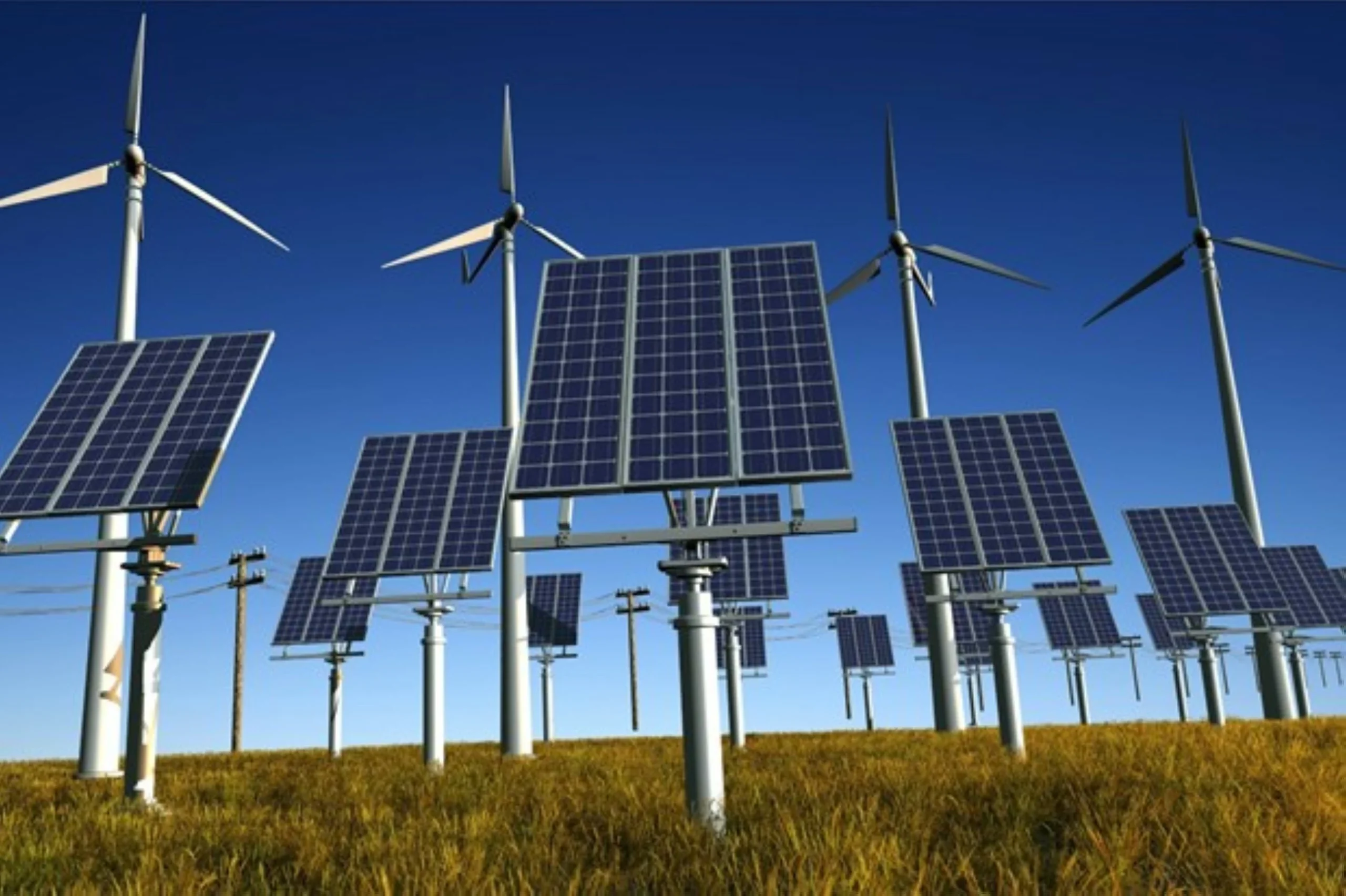


At the recent ET Energy Leadership Summit 2026 held in New Delhi, India, experts said that said the next phase of renewable growth will be defined by dispatchability rather than headline capacity additions. India’s renewable energy challenge is shifting from adding solar and wind capacity to ensuring that clean power is available when consumers need it. That transition will require faster transmission build-out, storage, better demand alignment and market structures that recognise the true cost of firm renewable power, as reported by Energy.economictimes.The report adds that experts said the key constraint is synchronising generation with transmission availability. Renewable projects can be developed faster than new transmission corridors, creating the risk of capacity being ready before evacuation infrastructure. Supply chains are another concern, particularly for long-lead equipment. Rising commodity prices and tighter availability of renewable components could affect project schedules and economics. As India enters Renewables 2.0, the central question is no longer whether clean capacity can be built. It is whether transmission, storage, demand and market design can evolve quickly enough to turn that capacity into dependable power.An Eqmagpro report says that the global renewable energy sector is entering a new phase in which simply adding more solar and wind capacity will no longer be sufficient to deliver the next generation of power-system growth. Industry experts increasingly describe this transition as ‘Renewables 2.0’, where the focus is shifting from capacity addition alone toward building an integrated electricity system capable of delivering clean power when and where it is needed. Storage, transmission infrastructure and the economics of dispatchable clean electricity are expected to become the defining factors of this next stage.The next phase of renewable energy growth, often described as Renewables 2.0, will depend increasingly on energy storage, stronger transmission networks and the economics of dispatchable clean power. Industry experts say scaling solar and wind alone will not be sufficient. Flexible generation, grid infrastructure and cost-effective power delivery will determine how effectively renewable capacity meets demand reliably. Renewables 2.0 will therefore require technologies and infrastructure that can bridge the gap between when clean electricity is produced and when consumers need it. Energy storage is expected to play a central role in addressing this challenge.Battery energy-storage systems can absorb surplus electricity during periods of high renewable generation and release it when production falls or demand increases. This can help shift renewable electricity from low-demand periods to high-demand periods, reduce curtailment and improve grid flexibility. As battery costs, manufacturing capacity and project experience continue to evolve, storage is increasingly moving from being an optional addition to renewable projects toward becoming an essential component of future power systems.As explained by a OneEarth analysis, as the world transitions beyond fossil fuels, a central challenge remains – ensuring delivering renewable energy reaches people reliably and efficiently. The Transmission and Storage solution pathway bridges the gap between generation and use, cutting losses along the way and strengthening grid resilience. By modernizing grid infrastructure, deploying smart metering, and scaling up storage, we can make clean, renewable energy more efficient, reliable, and affordable.The International Renewable Energy Agency (IRENA) points out that the United Nations Intergovernmental Panel on Climate Change in its latest Assessment Report sent a clear message to the world that this decade is critical to our success in limiting global surface temperature increase to 1.5°C above pre-industrial levels by the end of this century. There is an urgent need for rapid and immediate action to reduce global net anthropogenic carbon dioxide emissions by almost 50% from 2019 levels by 2030, with a significant proportion of this reduction occurring within the field of energy. Iren’s recommendations Total global renewable power generation capacity will need to triple by 2030 to reach more than 11 000GW under IRENA’s 1.5°C Scenario in the ‘World Energy Transitions Outlook’, with solar photovoltaic and wind power accounting for about 90% of renewable energy capacity additions.Energy efficiency improvements must double by 2030 to remain on a 1.5°c pathway. In IRENA’s 1.5°C Scenario, this will be driven by a combination of efficient technologies in end-use sectors and extensive electrification. These vital milestones must be achieved to keep the global energy transition on track to meet Paris Agreement goals.
- Homepage
- Breaking News
- World
UAE weather: Week-long summer rain forecast begins today as NCM predicts convective clouds
Afternoon rainfall is expected across eastern, southern and internal...
- Business
UAE allocates $10 million for urgent relief for flood, landslide victims in Nepal
Teams from the UAE Aid Agency are working with...Dubai Municipality launches AI-powered system to issue building permits
New fully automated platform reviews designs, verifies compliance and...Four people stabbed in London’s Covent Garden, woman arrested
Police launch investigation after lunchtime stabbing incident in popular...DP World returns as Strategic Partner of Arab Media Summit for 11th consecutive year
Dubai Press Club renews partnership ahead of largest-ever edition...Qatar declares four days of national mourning for Sheikh Hamad bin Khalifa Al Thani
Government offices to close from July 13, flags to...
- Lifestyle
Uber opens dedicated passenger lounge at Dubai International Airport Terminal 3
New climate-controlled facility offers Uber and Careem users a...AED13.5 billion in loans receive repayment deferrals under UAE support package
More than 135,000 customers benefit from Central Bank measures...
- Travel
UAE schools ban ‘qaza’ haircuts, hoodies, energy drinks and chips for 2026-27 academic year
School administrations have issued circulars warning that prohibited food...Dubai adopts workforce productivity system across government entities
New data-driven platform will help 32 government entities improve...Gold hits three-month high – Emirates 24|7
The precious metal recorded a 5% weekly gain, having...Mohamed Bin Zayed, Putin hold talks on UAE-Russia cooperation and regional developments
UAE and Russian Presidents discuss bilateral cooperation and regional...
- Sports
Dubai real estate transactions reach Dh2.6 billion in one day
The DLD recorded 630 sales transactions worth Dh1.6 billion,...Dubai Humanitarian launches new air bridge to deliver WHO medical aid to Gaza
Four flights carrying medicines, tents and fortified biscuits mark...DP World returns as Strategic Partner of Arab Media Summit for 11th consecutive year
Dubai Press Club renews partnership ahead of largest-ever edition...UAE’s Etihad Rail introduces fines of up to AED 5,000 for passenger misconduct
New passenger charter targets disruptive behaviour, safety violations and...
Khazna and Siemens partner on next-gen AI data centres
Khazna Data Centres, a global leader in...
UAE urges residents to get flu vaccine ahead of seasonal peak
The Ministry of Health and Prevention has...
Bill Gates is still wrong about climate change
A popular metaphor for climate change is...
- Homepage
- Breaking News
- World
UAE weather: Week-long summer rain forecast begins today as NCM predicts convective clouds
Afternoon rainfall is expected across eastern, southern and internal...
- Business
UAE allocates $10 million for urgent relief for flood, landslide victims in Nepal
Teams from the UAE Aid Agency are working with...Dubai Municipality launches AI-powered system to issue building permits
New fully automated platform reviews designs, verifies compliance and...Four people stabbed in London’s Covent Garden, woman arrested
Police launch investigation after lunchtime stabbing incident in popular...DP World returns as Strategic Partner of Arab Media Summit for 11th consecutive year
Dubai Press Club renews partnership ahead of largest-ever edition...Qatar declares four days of national mourning for Sheikh Hamad bin Khalifa Al Thani
Government offices to close from July 13, flags to...
- Lifestyle
Uber opens dedicated passenger lounge at Dubai International Airport Terminal 3
New climate-controlled facility offers Uber and Careem users a...AED13.5 billion in loans receive repayment deferrals under UAE support package
More than 135,000 customers benefit from Central Bank measures...
- Travel
UAE schools ban ‘qaza’ haircuts, hoodies, energy drinks and chips for 2026-27 academic year
School administrations have issued circulars warning that prohibited food...Dubai adopts workforce productivity system across government entities
New data-driven platform will help 32 government entities improve...Gold hits three-month high – Emirates 24|7
The precious metal recorded a 5% weekly gain, having...Mohamed Bin Zayed, Putin hold talks on UAE-Russia cooperation and regional developments
UAE and Russian Presidents discuss bilateral cooperation and regional...
- Sports
Dubai real estate transactions reach Dh2.6 billion in one day
The DLD recorded 630 sales transactions worth Dh1.6 billion,...Dubai Humanitarian launches new air bridge to deliver WHO medical aid to Gaza
Four flights carrying medicines, tents and fortified biscuits mark...DP World returns as Strategic Partner of Arab Media Summit for 11th consecutive year
Dubai Press Club renews partnership ahead of largest-ever edition...UAE’s Etihad Rail introduces fines of up to AED 5,000 for passenger misconduct
New passenger charter targets disruptive behaviour, safety violations and...